
 English
 Español
 Portugues
 Pусский
 Français
 Deutsch
 日本語
日本語 한국어
한국어 العربية
 Italiano
 Svenska
 Polski
 ไทย
ไทย Türk dili
 Indonesia
 Tiếng Việt
 čeština
 فارسی
فارسی اردو
اردو


verpakking van bouwmaterialen
Sustainable Packaging Solutions for Building Materials The packaging of building materials plays a crucial role in ensuring product safety, minimizing environmental impact, and optimizing logistics efficiency. As the construction industry increasingly prioritizes sustainability, innovative packaging solutions are being developed to meet both functional and ecological demands. 1. Material Selection Modern building material packaging utilizes a variety of materials, including corrugated cardboard, plastic films, and biodegradable alternatives. Corrugated cardboard is widely used due to its lightweight yet durable nature, providing excellent protection against impacts and moisture when treated with water-resistant coatings. For heavier materials like cement or tiles, reinforced plastic or composite materials offer superior strength and weather resistance. Meanwhile, biodegradable options such as molded pulp or plant-based polymers are gaining traction as eco-friendly alternatives. 2. Structural Design Effective packaging design ensures stability during transportation and storage. Customized solutions, such as shrink-wrapping for bricks or palletized crates for bulk materials, enhance load security while reducing material waste. Modular designs allow for easy stacking, optimizing space in warehouses and transport vehicles. Additionally, collapsible or reusable packaging systems help minimize waste and lower long-term costs. 3. Sustainability Initiatives With growing environmental concerns, the industry is shifting toward circular economy principles. Recyclable and reusable packaging reduces landfill waste, while lightweight materials lower carbon emissions during shipping. Some manufacturers incorporate post-consumer recycled content into their packaging, further reducing resource consumption. Innovations like water-soluble adhesives and compostable films also contribute to reducing environmental footprints. 4. Protection and Safety Building materials often face harsh conditions during transit, requiring packaging that resists moisture, UV exposure, and mechanical stress. Moisture barriers, cushioning inserts, and tamper-evident seals ensure product integrity. Hazardous materials, such as adhesives or chemicals, require specialized packaging compliant with international safety regulations. 5. Smart Packaging Trends Emerging technologies like RFID tags and QR codes enable better tracking and inventory management. These smart features provide real-time data on shipment conditions, helping prevent damage and streamline supply chain operations. In conclusion, the future of building material packaging lies in balancing durability, cost-efficiency, and sustainability. By adopting innovative materials and designs, the industry can reduce waste, enhance logistics, and contribute to a greener construction ecosystem.
Product
Classificatie:
-
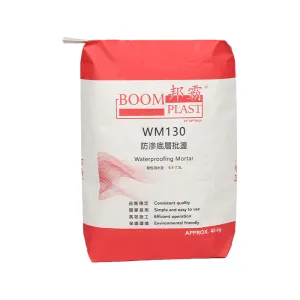
WM130 Papieren zak voor waterdichtingsmortel
Hun classificatie: Bouw papieren zakBekeken: 112Nummer:Release tijd: 2025-11-11 15:50:49De WM130 waterdichte mortel papieren zak is een zeer sterke, meerlaagse industriële papieren verpakkingsoplossing die speciaal is ontworpen voor constructie- en bouwmaterialen zoals waterdichtingsmortel, tegellijm, droge mortel op cementbasis, gips en andere poeder- of korrelvormige materialen. Deze milieuvriendelijke papieren zak, vervaardigd door Shenzhen Tongying Environmental Protection Packaging Technology Co., Ltd, biedt uitstekende bescherming, duurzaamheid en bedrukbaarheid, waardoor het een ideale keuze is voor fabrikanten in de bouwmaterialenindustrie.
Nieuws
Classificatie:
Geen zoekresultaten!
Geval
Classificatie:
Geen zoekresultaten!
Video
Classificatie:
Geen zoekresultaten!
Download
Classificatie:
Geen zoekresultaten!
Werving
Classificatie:
Geen zoekresultaten!
Aanbevolen producten
Geen zoekresultaten!



 Telefoon